


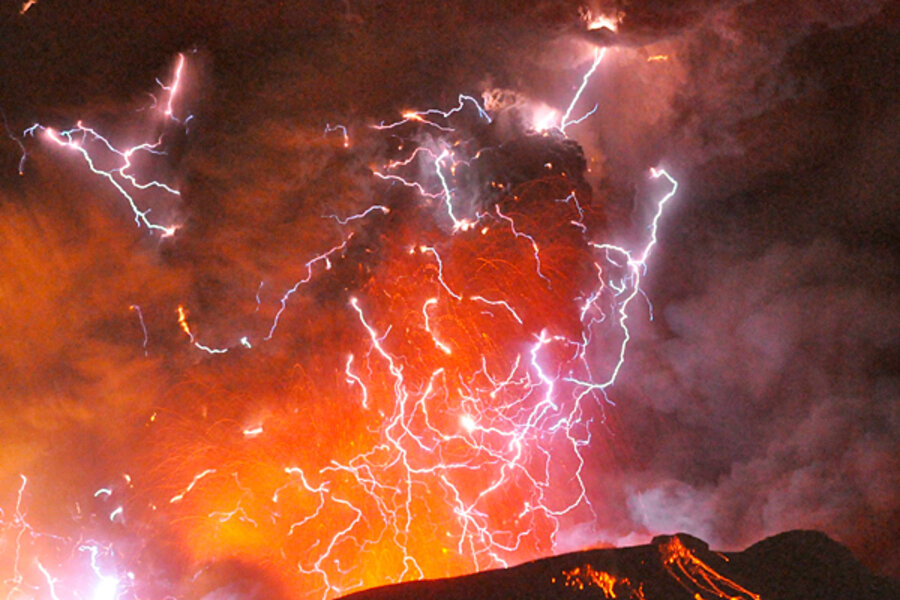
Shinmoedake is one of Japan’s most famous active volcanoes, known for its powerful eruptions, breathtaking landscapes, and scientific importance. Located in the Kirishima volcanic group on the island of Kyushu, Shinmoedake has captured the attention of volcanologists, tourists, and local communities for centuries. Its dramatic eruptions have influenced the surrounding environment, disrupted transportation, and provided valuable insights into volcanic activity.
The volcano is also famous in popular culture because it served as the inspiration for the villain’s secret base in the 1967 James Bond film You Only Live Twice. Beyond its cinematic connection, Shinmoedake remains one of Japan’s most closely monitored volcanoes due to its unpredictable nature.
This article explores Shinmoedake’s geography, geological history, major eruptions, environmental impact, monitoring systems, tourism opportunities, and future outlook.
Where Is Shinmoedake Located?
Shinmoedake is situated within the Kirishima mountain range in Miyazaki and Kagoshima Prefectures on Japan’s southern island of Kyushu. The volcano stands approximately 1,421 meters (4,662 feet) above sea level and forms part of Kirishima-Kinkowan National Park.
The surrounding region is renowned for:
- Dense forests
- Mountain hiking trails
- Natural hot springs (onsen)
- Scenic volcanic landscapes
- Rich biodiversity
Its location along Japan’s volcanic arc makes it one of the country’s most geologically active regions.
Geological Formation of Shinmoedake
Shinmoedake belongs to the Kirishima volcanic complex, which consists of more than twenty volcanic cones and craters. The volcano formed through repeated eruptions over tens of thousands of years as the Philippine Sea Plate subducts beneath the Eurasian Plate.
This tectonic activity generates magma beneath southern Japan, fueling frequent volcanic eruptions throughout the region.
Shinmoedake is classified as a stratovolcano, meaning it is built from alternating layers of:
- Lava flows
- Volcanic ash
- Rock fragments
- Pyroclastic materials
These layered deposits create its steep slopes and explosive eruption style.
The History of Shinmoedake
Historical records indicate that Shinmoedake has erupted numerous times over several centuries. Japanese documents dating back to the Edo period describe eruptions that affected nearby villages.
Notable historical eruptions occurred in:
- 1716
- 1717
- 1822
- 1959
- 2011
- 2018
Each eruption varied in intensity, ranging from ash emissions to explosive volcanic blasts.
The Major 2011 Eruption
One of Shinmoedake’s most significant modern eruptions occurred in January 2011.
The eruption attracted international attention because it was the largest eruption at the volcano in decades.
Key Features of the 2011 Eruption
The eruption produced:
- Massive ash clouds
- Explosive volcanic blasts
- Lava dome formation
- Ballistic volcanic rocks
- Pyroclastic material
Ash columns reached several kilometers into the atmosphere, disrupting flights and daily life across southern Kyushu.
Thousands of residents experienced ashfall, while roads, schools, and airports faced temporary closures.
Lava Dome Formation
Following the explosive eruption, scientists observed the rapid formation of a lava dome inside Shinmoedake’s crater.
A lava dome forms when thick, viscous magma slowly accumulates rather than flowing away.
The growing dome increased concerns because future eruptions could destroy it, triggering explosive blasts and dangerous pyroclastic flows.
The dome became a major focus for volcanologists monitoring magma movement beneath the volcano.
The 2018 Eruption
In March 2018, Shinmoedake erupted again after several years of relative quiet.
This eruption produced:
- Ash plumes
- Volcanic gas emissions
- Lava flows
- Rockfalls
- Explosive activity
Authorities expanded evacuation zones as volcanic bombs landed several kilometers from the crater.
Although the eruption caused limited structural damage, it reminded residents that Shinmoedake remains highly active.

Why Is Shinmoedake So Active?
Japan sits on the Pacific Ring of Fire, where several tectonic plates interact.
Shinmoedake’s activity is driven by:
- Magma generation
- Plate subduction
- Underground pressure
- Gas accumulation
- Magma chamber movement
When pressure inside the volcano exceeds the strength of surrounding rock, eruptions occur.
Scientists continuously study these processes to improve eruption forecasting.
Types of Volcanic Hazards
Shinmoedake presents several volcanic hazards.
Ashfall
Volcanic ash can spread over hundreds of kilometers depending on wind direction.
Ash affects:
- Roads
- Vehicles
- Agriculture
- Water supplies
- Human health
Fine ash particles can irritate eyes and lungs, making masks essential during eruptions.
Pyroclastic Flows
Pyroclastic flows are among the most dangerous volcanic hazards.
These fast-moving currents contain:
- Hot gas
- Ash
- Rock fragments
- Volcanic debris
Temperatures can exceed several hundred degrees Celsius, making survival nearly impossible within their path.
Volcanic Bombs
Explosive eruptions can eject large rocks known as volcanic bombs.
Some are thrown several kilometers from the crater, posing risks to hikers and nearby communities.
Volcanic Gas
Shinmoedake emits gases including:
- Sulfur dioxide
- Carbon dioxide
- Water vapor
High concentrations can damage vegetation and pose health risks near the crater.
Monitoring Shinmoedake
Japan operates one of the world’s most advanced volcanic monitoring systems.
Scientists use:
- Seismometers
- GPS instruments
- Satellite imagery
- Gas sensors
- Thermal cameras
- Drone surveys
These tools help detect:
- Earthquakes
- Ground deformation
- Rising magma
- Gas emissions
- Temperature changes
Early detection allows authorities to issue timely warnings.
Japan’s Volcanic Alert Levels
Japan employs a five-level volcanic warning system.
Level 1
Volcano is active but safe for normal activities.
Level 2
Visitors should avoid the crater area.
Level 3
People should avoid approaching the mountain.
Level 4
Prepare for evacuation.
Level 5
Immediate evacuation is required.
Alert levels are adjusted based on monitoring data.
Impact on Local Communities
Volcanic eruptions affect nearby towns in many ways.
Residents may experience:
- Evacuations
- Crop damage
- School closures
- Road disruptions
- Reduced tourism
- Ash cleanup
Farmers are particularly vulnerable because volcanic ash can damage vegetables, tea plantations, and livestock grazing areas.
Despite these challenges, local communities have developed strong disaster preparedness practices.
Environmental Effects
Although eruptions can be destructive, volcanoes also create long-term environmental benefits.
Volcanic ash enriches soil with minerals.
Over time, forests regenerate, creating fertile ecosystems that support:
- Birds
- Mammals
- Insects
- Rare plants
The Kirishima region is famous for its diverse wildlife and beautiful natural scenery.
Tourism at Shinmoedake
Despite its volcanic activity, Shinmoedake remains a popular tourist destination.
Visitors come to enjoy:
- Mountain hiking
- Scenic viewpoints
- Photography
- Nature walks
- Birdwatching
During periods of increased volcanic activity, authorities may close trails for public safety.
Checking local advisories before visiting is strongly recommended.
Hiking Around Shinmoedake
The Kirishima mountain range offers numerous hiking opportunities.
Popular features include:
- Volcanic craters
- Alpine vegetation
- Panoramic mountain views
- Forest trails
- Seasonal flowers
Autumn is especially popular because of colorful foliage.
Spring attracts visitors with blooming wildflowers.
Hot Springs Near Shinmoedake
The volcanic activity beneath Kirishima creates numerous natural hot springs.
Many visitors combine hiking with relaxation at nearby onsen.
These hot springs are believed to offer benefits such as:
- Stress relief
- Muscle relaxation
- Improved circulation
- Scenic outdoor bathing experiences
The geothermal energy supporting these hot springs comes directly from volcanic heat beneath the region.
Wildlife Around the Volcano
The forests surrounding Shinmoedake provide habitats for many species.
Common wildlife includes:
- Japanese deer
- Wild boar
- Various bird species
- Butterflies
- Native reptiles
The area’s ecological diversity makes it attractive to both scientists and eco-tourists.
Scientific Importance
Shinmoedake serves as an important natural laboratory.
Researchers study:
- Magma chemistry
- Earthquake activity
- Gas emissions
- Lava dome growth
- Eruption forecasting
Data collected from Shinmoedake helps improve volcanic hazard models worldwide.
Scientists compare its activity with other active volcanoes to better understand eruption mechanisms.
Shinmoedake in Popular Culture
Shinmoedake gained international fame after inspiring the hidden headquarters of the fictional organization SPECTRE in the James Bond film You Only Live Twice.
The volcano’s dramatic crater and rugged appearance made it an ideal cinematic location representing a secret volcanic base.
This connection continues to attract movie fans from around the world.
Economic Impact
Volcanic activity influences the regional economy in both positive and negative ways.
Negative impacts include:
- Tourism declines during eruptions
- Agricultural losses
- Infrastructure repairs
- Flight disruptions
Positive impacts include:
- Increased scientific research
- Disaster preparedness investments
- Tourism during safe periods
- Hot spring businesses
Local economies have adapted by balancing tourism with safety planning.
Disaster Preparedness
Japan is recognized globally for its disaster preparedness.
Communities near Shinmoedake participate in:
- Evacuation drills
- Hazard education
- Emergency planning
- Public warning systems
Residents receive alerts through television, mobile phones, and local government announcements.
Preparedness significantly reduces the risks associated with volcanic eruptions.
Climate Influence
Large volcanic eruptions can inject ash and sulfur dioxide high into the atmosphere.
Although Shinmoedake’s eruptions are generally not large enough to influence global climate significantly, they can temporarily affect local weather by reducing sunlight and increasing airborne particles.
Scientists continue monitoring these atmospheric effects.
Future Activity
Like all active volcanoes, predicting the exact timing of future eruptions remains impossible.
However, scientists agree that Shinmoedake will likely erupt again in the future because:
- Magma continues rising beneath the volcano.
- Seismic activity remains ongoing.
- Gas emissions indicate an active volcanic system.
- The region lies within an active tectonic zone.
Continuous monitoring helps reduce uncertainty and improve public safety.
Interesting Facts About Shinmoedake
- Shinmoedake is approximately 1,421 meters tall.
- It belongs to the Kirishima volcanic group.
- The volcano inspired the secret base in a James Bond movie.
- Its 2011 eruption was one of Japan’s most significant volcanic events of the 21st century.
- Scientists closely monitor the volcano around the clock.
- The surrounding area contains numerous hot springs and hiking trails.
- It lies within Kirishima-Kinkowan National Park.
- The volcano continues to shape the landscape through ongoing geological activity.
Conclusion
Shinmoedake is far more than just an active volcano—it is a symbol of Earth’s dynamic geological forces and Japan’s commitment to disaster preparedness. Its history of powerful eruptions, stunning volcanic landscapes, and scientific significance makes it one of the world’s most fascinating volcanoes.
While its eruptions pose genuine risks to nearby communities, modern monitoring technology, early warning systems, and effective emergency planning have greatly improved public safety. At the same time, Shinmoedake continues to attract hikers, researchers, photographers, and nature enthusiasts eager to experience its unique beauty.
As scientists continue studying this remarkable volcano, Shinmoedake remains a living reminder that our planet is constantly evolving. Whether viewed as a natural wonder, a research site, or a tourism destination, it stands as one of Japan’s most iconic and closely watched volcanic peaks.
