

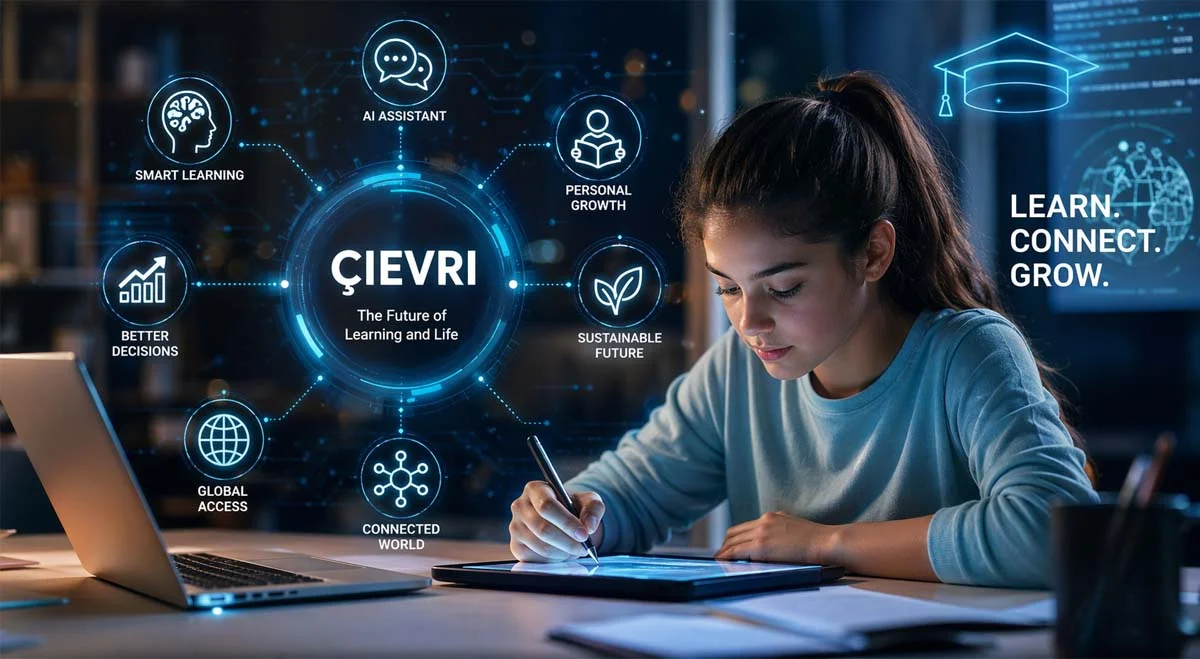
Çievri is a term that is often associated with the concept of translation, communication, and the transfer of meaning from one language or context to another. In an increasingly interconnected world, the ability to communicate across linguistic and cultural boundaries has become more important than ever. Whether in business, education, technology, literature, or international relations, effective translation plays a crucial role in connecting people and ideas.
Language is one of humanity’s greatest tools, but it can also create barriers when people speak different languages. Çievri helps bridge these gaps by ensuring that information, emotions, and intentions can be understood by diverse audiences. Without translation, international cooperation, global trade, and cultural exchange would be significantly more difficult.
This article explores the meaning of Çievri, its historical development, importance, types, challenges, technological advancements, and future prospects.
Understanding the Concept of Çievri
At its core, Çievri refers to the process of converting text, speech, or meaning from one language into another while maintaining accuracy and context. The goal is not simply to replace words but to convey the intended message effectively.
A successful translation requires an understanding of:
- Grammar and vocabulary
- Cultural context
- Tone and style
- Audience expectations
- Subject-specific terminology
Translation is both an art and a science. While linguistic knowledge provides the foundation, creativity and cultural awareness are necessary to ensure that the translated content feels natural and meaningful.
The History of Translation
Translation has existed for thousands of years. Ancient civilizations relied on translators to facilitate trade, diplomacy, and cultural exchange.
Ancient Times
In ancient Egypt, Mesopotamia, Greece, and Rome, translators helped rulers communicate with neighboring civilizations. Historical records indicate that multilingual scribes played a vital role in government administration.
Religious Translation
Many religious texts have been translated into different languages over centuries. These translations allowed sacred teachings to reach wider audiences and contributed significantly to cultural and educational development.
Medieval Period
During the medieval era, scholars translated scientific, philosophical, and literary works from Arabic, Greek, and Latin into various languages. This exchange of knowledge helped shape intellectual progress across different regions.
Modern Era
The development of printing technology and global communication increased the demand for translation. Today, translation is a major industry supported by professional linguists and advanced technological tools.
Why Çievri Is Important
Translation serves many essential functions in modern society.
Promoting Global Communication
People from different countries can communicate effectively through translated materials. This promotes understanding and cooperation among nations.
Supporting International Business
Businesses rely on translation to market products, negotiate agreements, and serve customers worldwide. Accurate translations help companies expand into global markets.
Preserving Knowledge
Scientific discoveries, academic research, and educational resources become accessible to broader audiences through translation.
Encouraging Cultural Exchange
Translation enables people to enjoy literature, films, music, and other cultural products from around the world.
Improving Accessibility
Translation helps individuals access important information regardless of their native language, contributing to inclusivity and equal opportunities.
Types of Çievri
Translation can take many forms depending on the content and purpose.
Literary Translation
Literary translation focuses on novels, poetry, plays, and other creative works. Translators must preserve artistic style, emotional impact, and cultural nuances.
Technical Translation
Technical translation involves specialized documents such as manuals, engineering reports, and scientific papers. Accuracy is critical because errors can have serious consequences.
Legal Translation
Legal documents require precise translation due to their formal nature and legal implications. Contracts, court documents, and regulations fall into this category.
Medical Translation
Medical translation includes patient records, research studies, pharmaceutical information, and healthcare instructions. Accuracy is essential to ensure patient safety.
Business Translation
Companies use business translation for reports, presentations, marketing materials, and communication with international partners.
Website Translation
As businesses expand online, website translation helps organizations reach customers in different countries and languages.
Audiovisual Translation
This type includes subtitles, dubbing, and voice-over services for films, television programs, and digital content.
Skills Required for Effective Translation
Professional translators possess a wide range of skills beyond language proficiency.
Strong Language Knowledge
Translators must have an excellent understanding of both source and target languages.
Cultural Awareness
Language and culture are closely connected. Understanding cultural references helps ensure accurate communication.
Research Skills
Translators often encounter unfamiliar terms and concepts. Effective research ensures accuracy and consistency.
Attention to Detail
Even small mistakes can alter the meaning of a text. Precision is essential in professional translation.
Writing Ability
A translator must produce clear, natural, and engaging content in the target language.
Subject Expertise
Specialized fields such as medicine, law, and engineering require translators with relevant knowledge.
Challenges in Translation
Translation is not always straightforward. Translators face numerous challenges when transferring meaning between languages.
Cultural Differences
Some concepts have no direct equivalent in another culture. Translators must find alternative ways to convey meaning.
Idioms and Expressions
Idiomatic phrases often lose their meaning when translated literally. Translators must identify equivalent expressions.
Ambiguity
Words and sentences can have multiple interpretations depending on context.
Technical Terminology
Specialized vocabulary can be difficult to translate accurately without subject-matter expertise.
Maintaining Tone
Preserving the author’s tone and style while ensuring readability is a common challenge.
Time Constraints
Professional translators often work under tight deadlines while maintaining high-quality standards.
Technology and Modern Translation
Technological advancements have transformed the translation industry.
Machine Translation
Machine translation systems can quickly translate large volumes of text. Popular tools have made translation more accessible than ever.
Artificial Intelligence
AI-powered translation tools continue to improve in accuracy and contextual understanding.
Translation Memory Systems
These tools store previously translated segments, helping translators maintain consistency and improve efficiency.
Terminology Management
Specialized software helps translators manage industry-specific terminology.
Cloud-Based Collaboration
Modern platforms allow translators, editors, and clients to collaborate in real time from different locations.
Human Translation vs. Machine Translation
A common discussion in the industry involves comparing human and machine translation.
Advantages of Human Translation
- Better understanding of context
- Greater cultural sensitivity
- Improved creativity
- Higher accuracy for complex content
- Superior handling of nuance
Advantages of Machine Translation
- Faster processing
- Lower costs
- Immediate results
- Useful for large-scale projects
The Best Approach
Many organizations use a combination of machine translation and human review to achieve efficiency and quality.
The Role of Translation in Education
Translation plays a significant role in expanding educational opportunities.
Access to Learning Materials
Students can study resources originally written in other languages.
Academic Research
Researchers can share findings with international audiences through translated publications.
Language Learning
Translation helps learners understand vocabulary, grammar, and cultural context.
Global Collaboration
Educational institutions collaborate across borders through translated communications and resources.
Translation in International Business
Global commerce depends heavily on effective translation.
Market Expansion
Businesses entering new markets must communicate effectively with local consumers.
Customer Satisfaction
Providing information in a customer’s native language improves trust and engagement.
Brand Reputation
High-quality translations enhance professionalism and credibility.
International Partnerships
Clear communication strengthens relationships with suppliers, investors, and partners.
Cultural Impact of Translation
Translation serves as a bridge between cultures.
Sharing Literature
Readers gain access to stories, ideas, and perspectives from around the world.
Promoting Understanding
Translation helps people appreciate cultural diversity and reduces misunderstandings.
Preserving Heritage
Historical documents and cultural works can be preserved and shared through translation.
Encouraging Creativity
Exposure to international literature and art inspires innovation and creative expression.
Future Trends in Çievri
The translation industry continues to evolve.
Greater Use of Artificial Intelligence
AI systems are becoming more sophisticated and capable of handling complex language tasks.
Real-Time Translation
Advances in speech recognition and processing enable instant multilingual communication.
Increased Demand
Globalization continues to create demand for translation services across industries.
Specialized Translation
Experts in niche fields will remain valuable as technical content becomes more complex.
Human-AI Collaboration
Rather than replacing human translators, technology is likely to enhance productivity and efficiency.
Best Practices for High-Quality Translation
Organizations seeking accurate translations should follow several best practices.
Define Objectives Clearly
Understanding the purpose of the translation helps guide the process.
Use Qualified Professionals
Experienced translators deliver higher-quality results.
Provide Context
Additional information helps translators understand intended meaning.
Review and Edit
Quality assurance processes improve accuracy and consistency.
Maintain Terminology Consistency
Using standardized terminology strengthens communication.
Conclusion
Çievri or translation, is one of the most important tools for communication in the modern world. It connects people, cultures, businesses, and institutions across linguistic boundaries. From literature and education to healthcare and international commerce, translation influences nearly every aspect of global society.
While technology has revolutionized the translation industry, human expertise remains essential for understanding context, culture, and nuance. As globalization continues and digital communication expands, the demand for accurate and effective translation will only increase.
Ultimately, Çievri is more than the conversion of words from one language to another. It is a bridge that fosters understanding, cooperation, knowledge sharing, and cultural appreciation among people worldwide. By breaking down language barriers, translation helps create a more connected and inclusive world.
