


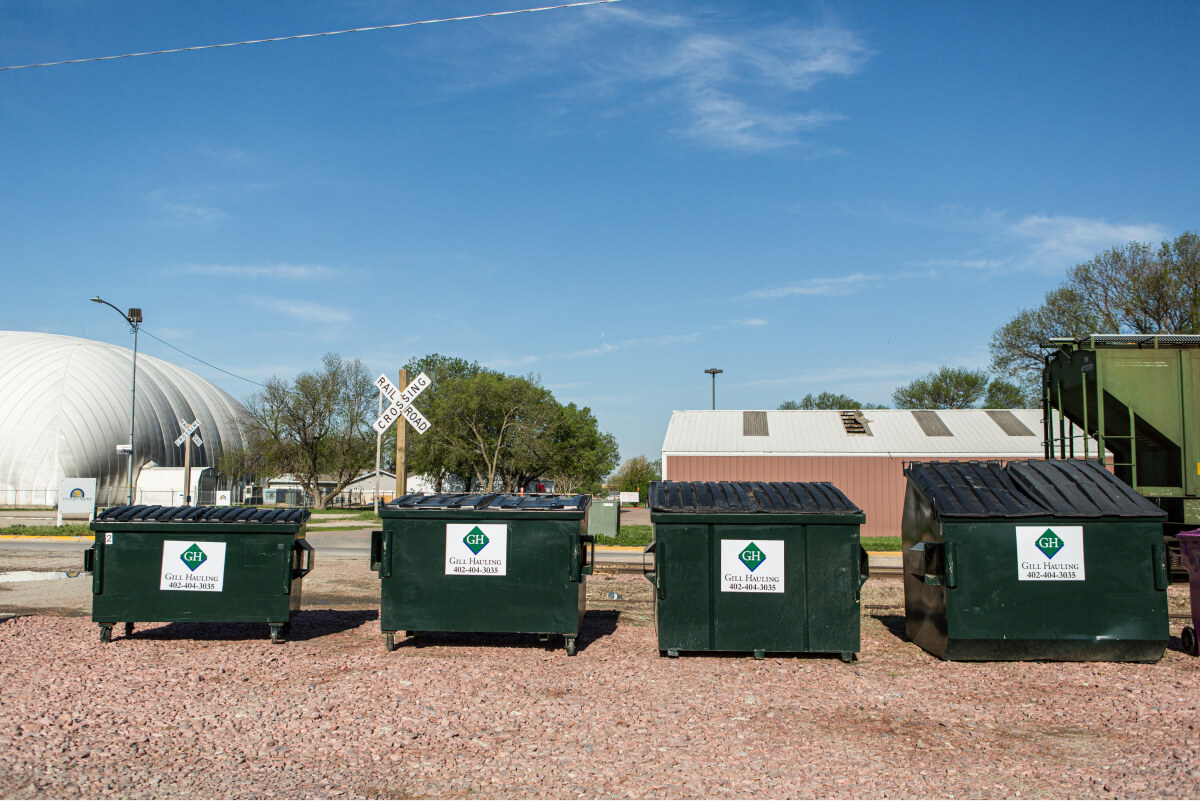
Whether you’re renovating your home, cleaning out a garage, managing a construction site, or handling a commercial cleanup project, choosing the correct dumpster size is essential. Renting a dumpster that is too small can result in additional costs, while renting one that is too large means paying for unused space. Understanding a dumpster sizes chart makes it easier to select the right container for your project and budget.
Dumpster rentals are available in a variety of sizes, typically measured in cubic yards. Each size is designed for specific types of waste removal projects, ranging from small residential cleanups to large-scale demolition jobs. This guide explains every common dumpster size, their dimensions, capacities, ideal uses, and tips for selecting the perfect option.
What Is a Dumpster Sizes Chart?
A dumpster sizes chart is a reference table that compares different dumpster capacities, dimensions, and recommended uses. It helps homeowners, contractors, and businesses determine which dumpster size best matches the amount of waste they expect to generate.
Most rental companies offer dumpsters ranging from 10-yard containers to 40-yard containers. Some companies also provide smaller or specialized dumpsters for unique projects.
Standard Dumpster Sizes Chart
| Dumpster Size | Dimensions (Approx.) | Capacity | Best For |
|---|---|---|---|
| 10-Yard | 12 ft × 8 ft × 4 ft | 3 Pickup Loads | Garage cleanouts, small remodeling |
| 15-Yard | 16 ft × 8 ft × 4.5 ft | 4–5 Pickup Loads | Flooring, roofing, attic cleaning |
| 20-Yard | 22 ft × 8 ft × 4.5 ft | 6 Pickup Loads | Home renovations, landscaping |
| 30-Yard | 22 ft × 8 ft × 6 ft | 9 Pickup Loads | Construction debris, large renovations |
| 40-Yard | 22 ft × 8 ft × 8 ft | 12 Pickup Loads | Commercial projects, demolition |
Understanding Dumpster Measurements
Dumpster sizes are measured in cubic yards, which represent the total volume of waste a dumpster can hold.
For example:
- A 10-yard dumpster holds approximately 10 cubic yards of debris.
- A 20-yard dumpster holds twice as much material.
- A 40-yard dumpster offers four times the capacity of a 10-yard dumpster.
Keep in mind that weight limits also apply. Heavy materials like concrete, dirt, bricks, and asphalt can quickly exceed weight restrictions even if the dumpster isn’t full.
10-Yard Dumpster
A 10-yard dumpster is the smallest standard roll-off dumpster and is ideal for minor residential projects.
Typical Uses
- Garage cleanouts
- Small bathroom remodeling
- Yard debris
- Basement cleaning
- Small deck removal
Capacity
- Holds about 3 pickup truck loads
- Weight limit: 2–3 tons
Advantages
- Affordable rental cost
- Fits easily in most driveways
- Easy to load
Best Choice For
Homeowners working on weekend cleanup projects.
15-Yard Dumpster
The 15-yard dumpster offers slightly more space while remaining compact.
Perfect For
- Carpet removal
- Kitchen remodeling
- Roofing shingles
- Fence removal
- Medium landscaping jobs
Capacity
Approximately 4–5 pickup truck loads.
This size is ideal for projects that are too large for a 10-yard dumpster but don’t require a full 20-yard container.
20-Yard Dumpster
The 20-yard dumpster is the most commonly rented dumpster because it balances size, affordability, and versatility.
Best Uses
- Whole-house cleanouts
- Large garage cleanups
- Home additions
- Roofing replacement
- Deck demolition
- Moving cleanouts
Capacity
- Around 6 pickup truck loads
- Weight limit: 3–4 tons
For most homeowners, this is considered the “perfect size” for medium-sized projects.
30-Yard Dumpster
The 30-yard dumpster is designed for larger residential and commercial projects.
Common Uses
- Major renovations
- Office cleanouts
- Construction debris
- Large remodeling projects
- Estate cleanouts
Capacity
- Holds about 9 pickup truck loads
- Weight limit: 4–5 tons
Contractors frequently choose this dumpster because it accommodates bulky construction materials.
40-Yard Dumpster
The largest standard roll-off dumpster is the 40-yard dumpster.
Ideal For
- Commercial demolition
- Industrial waste
- Warehouse cleanouts
- Large construction sites
- Multi-room renovations
Capacity
- About 12 pickup truck loads
- Weight limit: 5–6 tons
Due to its size, this dumpster requires adequate space for delivery and pickup.
How to Choose the Right Dumpster Size
Choosing the right dumpster depends on several important factors.
1. Project Type
Different projects create different kinds of waste. For example:
- Bathroom remodel → 10-yard
- Kitchen remodel → 15-yard
- Whole-home renovation → 20 or 30-yard
- Commercial demolition → 40-yard
2. Waste Volume
Estimate how much debris your project will generate. If you’re unsure, it’s usually more economical to rent one size larger than to order a second dumpster later.
3. Weight of Materials
Heavy materials require special consideration. Concrete, bricks, soil, and roofing shingles can exceed weight limits even in partially filled dumpsters.
4. Available Space
Measure your driveway or job site before renting. Larger dumpsters require more clearance for delivery trucks.
Common Materials Allowed in Dumpsters
Most dumpster rental companies accept:
- Wood
- Furniture
- Drywall
- Cardboard
- Household junk
- Roofing materials
- Yard waste
- Metal
- Construction debris
Always confirm accepted materials with your rental provider before loading.
Items That Are Usually Prohibited
Many companies prohibit hazardous materials, including:
- Paint
- Chemicals
- Motor oil
- Tires
- Batteries
- Propane tanks
- Asbestos
- Medical waste
- Electronics (in some locations)
Improper disposal may result in additional fees.
Benefits of Using a Dumpster Sizes Chart
A dumpster sizes chart offers several advantages:
- Prevents renting a container that’s too small.
- Helps estimate project costs accurately.
- Reduces unnecessary rental fees.
- Improves job site safety.
- Makes waste management more efficient.
By comparing sizes beforehand, you can avoid delays and complete your project more smoothly.
Frequently Asked Questions
Which dumpster size is best for home renovations?
A 20-yard dumpster is the most popular option for medium-sized home renovation projects.
Can I overfill a dumpster?
No. Debris should never extend above the top edge of the dumpster, as overloaded containers may not be transported safely.
How long can I keep a rented dumpster?
Most rental companies offer rental periods ranging from 7 to 14 days, with extensions available for an additional fee.
What happens if I exceed the weight limit?
Exceeding the weight allowance usually results in overage charges based on the extra weight.
Conclusion
Understanding a dumpster sizes chart is the easiest way to choose the right dumpster for your cleanup or construction project. From compact 10-yard dumpsters for small household jobs to massive 40-yard containers for commercial demolition, each size serves a unique purpose.
Before renting, estimate the volume and weight of your debris, measure the available space, and review your local rental company’s guidelines. Choosing the correct dumpster size saves money, improves efficiency, and keeps your project running smoothly. Whether you’re tackling a home renovation, landscaping project, or construction job, the right dumpster can make waste disposal simple and stress-free.
