

Subscribe to Updates

    Get the latest creative news from FooBar about art, design and business.

    What's Hot

    AI Content Optimization SEO Guide to Rank Higher in 2026

    July 8, 2026

    FintechZoom.com Nasdaq Latest News, Stock Analysis & Trends

    July 7, 2026

    Vanilla Prepaid Card Complete Guide to Features, Benefits,

    July 7, 2026
    Facebook Twitter Instagram
    Facebook Twitter Instagram
    blogskynest.comblogskynest.com
    Subscribe
    • Home
    • Business
    • Tech
    • Home Decor
    • Lifestyle
    • Travel
    blogskynest.comblogskynest.com
    Home»Business»Most Dog Aggressive Dog Breeds Understanding Behavior Risks

    Most Dog Aggressive Dog Breeds Understanding Behavior Risks

    blogskynest.comBy blogskynest.comJune 22, 2026No Comments5 Mins Read
    Facebook Twitter Pinterest LinkedIn Tumblr Reddit Telegram Email
    dog
    Share
    Facebook Twitter LinkedIn Pinterest Email

    Dogs are often called “man’s best friend,” and for good reason—they are loyal, intelligent, and capable of forming deep emotional bonds with humans. However, like all animals, dogs have instincts, temperaments, and behaviors shaped by genetics, training, and environment. Some breeds are more prone to aggressive tendencies than others, not because they are “bad,” but because of their original purposes, physical traits, and behavioral instincts.

    In this article, we’ll explore the concept of dog aggression, highlight breeds often associated with aggressive behavior, and—most importantly—discuss how proper training and responsible ownership can make any dog a safe and loving companion.

    What Does “Aggressive” Mean in Dogs?

    Aggression in dogs is not a single trait. It can appear in several forms, including:

    • Territorial aggression – Protecting their home or space
    • Protective aggression – Guarding family members
    • Fear-based aggression – Reacting out of anxiety or insecurity
    • Dominance aggression – Asserting control over situations
    • Prey aggression – Chasing smaller animals

    It’s crucial to understand that aggression is often situational and influenced by upbringing, socialization, and training—not just breed.

    Factors That Influence Aggression

    Before focusing on specific breeds, it’s important to understand what contributes to aggressive behavior:

    1. Genetics and Breeding History

    Some dogs were bred for guarding, hunting, or fighting, which can influence temperament.

    2. Training and Socialization

    Dogs exposed to positive environments and early socialization are less likely to become aggressive.

    3. Owner Behavior

    Neglect, abuse, or poor training methods can increase aggression.

    4. Health Issues

    Pain or illness can cause a normally calm dog to act aggressively.

    Dog Breeds Commonly Associated with Aggression

    Below are some breeds often labeled as aggressive. This does not mean every dog of these breeds is dangerous—it simply reflects tendencies observed in certain conditions.

    1. Pit Bull Terrier

    https://images.openai.com/static-rsc-4/PAYLK4qatGcHyC16q7sPkdpGw7dzvqRG414EUDYr7O1GFaBbVtVnuBL1PZW0fEoAF_-bpBqx5og4g3vOKpFbmVVIkt5-I1xZfPO-hQcZgjZZMg2ZllieAU0x0Zal0JiuPEp2H4ngJjL70OIkSCCuy1ALn_CzajSGzY2dvgl05t_tcE5ox42CjPJE6xNJoK_7?purpose=fullsize

    Pit Bulls are one of the most misunderstood dog breeds. Originally bred for bull-baiting and later dog fighting, they are strong, energetic, and highly determined.

    Traits:

    • Extremely loyal and affectionate with family
    • High energy and strength
    • Can show aggression toward other animals

    Reality:

    With proper training and socialization, Pit Bulls can be gentle, loving pets. Many aggression issues arise from irresponsible ownership.

    2. Rottweiler

    https://images.openai.com/static-rsc-4/HUnqRCnwahroHcXnTXJ6vjjHVqblgv3qtrOCauFkh6i_RD9ZP2fd5XVIiij6GF1M3NyVdKW4A5PIkttCOLUHDHQWIWq66nX5Mwp_ZaXjoovDGRLlBVCgSQS-uUyYayA3x4_BALUDrvaaPRVAwWBbrRBk7uKPhzJN-6ysNMx5gQKMBwhLvjTOA3wyzYYrmwWU?purpose=fullsize

    Rottweilers are powerful guard dogs known for their protective instincts.

    Traits:

    • Strong territorial behavior
    • Highly intelligent
    • Loyal and protective

    Risks:

    Without proper training, their protective instincts can turn into aggression, especially toward strangers.

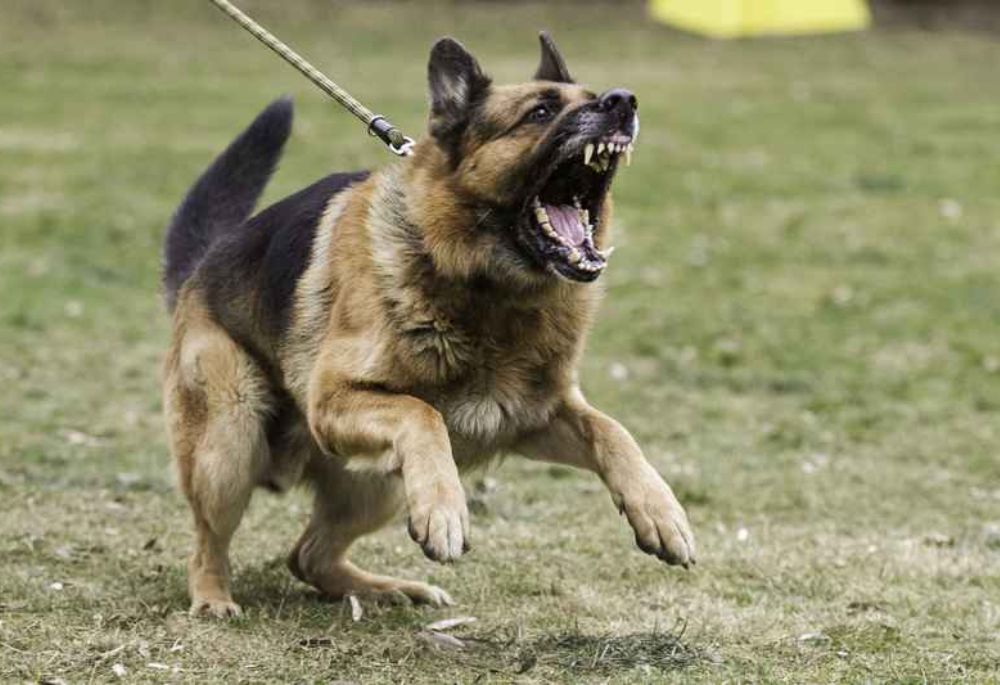
    3. German Shepherd

    https://images.openai.com/static-rsc-4/Yl7x2B3F0O8xobM9w1YeMzvHbViNqMpREc-ljtnlEtlu6AiZkbookhCUfVI2DtiDR8BPkDnKrLxs0IK2_cqv2X5aObwFn8Sml6c4WdgDWPdhmba6uwUxeDr43pEb8xjbBCg4QdwKAeaWwwhJcOe6enpemmiQCWJDcGtoTCTE4i82sZ0oT20dl1lrd4v3dkXW?purpose=fullsize

    Widely used in police and military roles, German Shepherds are known for intelligence and discipline.

    Traits:

    • Highly trainable
    • Protective and alert
    • Strong guarding instincts

    Considerations:

    Poor training or lack of socialization can lead to fear-based or territorial aggression.

    4. Doberman Pinscher

    https://images.openai.com/static-rsc-4/tKBlHJ0ablayQE0ovG1S3CxmIWMcdbV583FiVTsvVhpStEGsjjc1ra7ci8XkJFIRppM-z9Mgj-_d_euwyB-jqbbDCKyzle930MLCwBDUZ29EF8O_8V4K5grc6g0YGgjkt6iv_FCneqKmSDxTGKPF5JXDw-Q3QnNzVnF88Ex57PBfIJlylTZE7CeQUgR6v1ZL?purpose=fullsize

    Dobermans were bred specifically for protection, making them naturally alert and defensive.

    Traits:

    • Fast, agile, and powerful
    • Highly loyal
    • Protective of owners

    Risks:

    They require experienced owners who can provide firm but positive training.

    5. Chow Chow

    https://images.openai.com/static-rsc-4/PRQavR9LgK7FrugF1IUt5GlHRkaz0r93DVtCmo70gRe-vT1r0QMNoEF37RCte3qerQk04UbAGtxsZnB7Jl1mkLJbDUE9zZgt7jFaaARXGupg-dQnqfaBhG8ryec_5XY93owKgDmFpNsMOXCzMTharJams2c303bptxBzRVEco8u9Si45IupUvgjm_9gEQYe5?purpose=fullsize

    Chow Chows may look fluffy and cuddly, but they are known for their independent and sometimes aloof nature.

    Traits:

    • Reserved and territorial
    • Not overly affectionate
    • Strong-willed

    Risks:

    They may become aggressive toward strangers if not socialized early.

    6. Siberian Husky

    https://images.openai.com/static-rsc-4/c-B_b6hOurAPO0k6Hv1wuOErnJ23oUkciXK7ZXMJRj6duy6dGm_9og2IcmlZdL09CAImTd1cp55uYMlqEmie-eJybudtDA1ebKNl9mzENAEL8V5X2N9qhTWAwdiK8valJWz9XdzhWQnyL03glMGqol-4IcMJtAbp0aXUaqCZD1JTONriX5fD-SpAcn3_-lP5?purpose=fullsize

    Huskies are not typically aggressive toward humans but have strong prey instincts.

    Traits:

    • Energetic and independent
    • Strong prey drive
    • Social but stubborn

    Risks:

    They may attack smaller animals and require consistent training.

    7. Alaskan Malamute

    https://images.openai.com/static-rsc-4/0Cmn1cRrOB7eOrEMrQNNtIX0isgnVTlgecbjk0Kl1nl9N1OPt17hR_zKKm7kDx40d3h3fc2XUyarOp-azYdIdxVEQkGtGMLVxrBgmPbUJ5_ToD5hl4E2v6hhhW_oziN0s-521cvRe16uEknUQUPa6prBBUT_vJP6JE-W9o1qwqmPQyhx4bzLkhcrrET6Wyqb?purpose=fullsize

    Similar to Huskies but larger and stronger, Malamutes were bred for heavy work.

    Traits:

    • Strong-willed and dominant
    • High energy
    • Pack-oriented

    Risks:

    Aggression may occur toward other dogs if not properly socialized.

    8. Jack Russell Terrier

    https://images.openai.com/static-rsc-4/uTjm_hJaMGEzxeu2xtynHejJN1Ph7RcTM5a_f_hmh1p-FpcbTlT6x2hQEv0zE_kZXk77pmBLsaLxwMQhG2tv6ZDGar3ufeUX2EkDvBFWKhhohtR_FTjkmGk888evB96Xv_O-AXY7PYPHshFN89vbB4L-hgKyo2Owo3Ewu7rVR5BbvWER3KMI3zttfbhif3FT?purpose=fullsize

    Though small, Jack Russells are highly energetic and can be surprisingly aggressive.

    Traits:

    • Extremely active
    • Strong hunting instincts
    • Bold and fearless

    Risks:

    They may show aggression toward other pets and small animals.

    9. Wolf Hybrid

    https://images.openai.com/static-rsc-4/d1GQjUAttVGpZ1svefJZYf5tSWjQYCl-IrUDi3buxJ_q52L1Gmk4vD0Rz88xe27ol1jYfvQSOI0tY2T4XACPUmk0tU4qUoeUkZVxWhS0Q435QS_B3K8amk5POrUL54Dsf3JqOn8tItamt2qaL-Bd1Di79UIg6bPNiLyyeIMaPlHMRLXIT0Y7o-YjlM3X_FIS?purpose=fullsize

    Wolf hybrids are crosses between domestic dogs and wolves.

    Traits:

    • Unpredictable behavior
    • Strong instincts
    • High intelligence

    Risks:

    Their wild nature makes them unsuitable for most households.

    10. Akita

    https://images.openai.com/static-rsc-4/_fs_kuLqCuhyiJrKwZOvDYpyWT4ld5JrVTuEXPE73sp-RuRmhvrlxi8oLvRliEMWUeRMNMNsq8nSPLBIpVGZTbmHIFDrrb1ooGyp27Dnj3AACaCVfAEoYPTr-W541Ds63tX800Po_VR-Q7zKeLjrHPRzZxr9nxNN8UWxcnUGIwxHCMlwJ4MCw9ylX364bs0I?purpose=fullsize

    Akitas are large, powerful dogs with a strong sense of loyalty.

    Traits:

    • Protective and fearless
    • Independent
    • Quiet but alert

    Risks:

    They can be aggressive toward strangers and other animals without proper training.

    Are These Breeds Dangerous?

    Labeling a breed as “dangerous” can be misleading. Any dog—regardless of breed—can become aggressive if:

    • It is abused or neglected
    • It lacks proper training
    • It is not socialized
    • It feels threatened or scared

    Conversely, even breeds with aggressive reputations can be incredibly gentle when raised in a loving and structured environment.

    How to Prevent Aggression in Dogs

    1. Early Socialization

    Expose puppies to different people, animals, and environments.

    2. Proper Training

    Use positive reinforcement techniques rather than punishment.

    3. Regular Exercise

    Many aggressive behaviors stem from pent-up energy.

    4. Consistent Leadership

    Dogs need clear boundaries and rules.

    5. Professional Help

    Seek trainers or behaviorists if aggression appears.

    Responsible Dog Ownership

    Owning a dog—especially a powerful breed—comes with responsibility. Owners should:

    • Understand the breed’s needs
    • Invest time in training
    • Provide mental and physical stimulation
    • Ensure proper containment and supervision

    Irresponsible ownership is often the root cause of aggressive incidents—not the breed itself.

    The Role of Media and Misconceptions

    Media often highlights attacks involving certain breeds, creating fear and stereotypes. However:

    • Statistics can be misleading
    • Many incidents involve poorly trained dogs
    • Breed identification is often inaccurate

    It’s important to evaluate dogs individually rather than relying solely on breed reputation.

    Final Thoughts

    Aggression in dogs is a complex issue influenced by multiple factors. While some breeds are more predisposed to certain behaviors due to their history and genetics, no dog is inherently “bad.”

    With proper care, training, and socialization, even the most misunderstood breeds can become loving, loyal companions. Instead of focusing solely on breed labels, potential dog owners should prioritize responsible ownership, education, and commitment.

    Ultimately, a dog’s behavior reflects the environment it is raised in—and the care it receives from its owner.

    Share. Facebook Twitter Pinterest LinkedIn Tumblr Email
    blogskynest.com
    • Website

    Related Posts

    AI Content Optimization SEO Guide to Rank Higher in 2026

    July 8, 2026

    FintechZoom.com Nasdaq Latest News, Stock Analysis & Trends

    July 7, 2026

    Vanilla Prepaid Card Complete Guide to Features, Benefits,

    July 7, 2026

    Leave A Reply Cancel Reply

    Demo
    Don't Miss

    AI Content Optimization SEO Guide to Rank Higher in 2026

    Business July 8, 2026

    Artificial Intelligence (AI) has transformed the way businesses create, optimize, and publish digital content. From…

    FintechZoom.com Nasdaq Latest News, Stock Analysis & Trends

    July 7, 2026

    Vanilla Prepaid Card Complete Guide to Features, Benefits,

    July 7, 2026

    Lakers Trade Latest Rumors Blockbuster Deals NBA Trade News

    July 7, 2026
    Stay In Touch
    • Facebook
    • Twitter
    • Pinterest
    • Instagram
    • YouTube
    • Vimeo
    Our Picks

    AI Content Optimization SEO Guide to Rank Higher in 2026

    July 8, 2026

    FintechZoom.com Nasdaq Latest News, Stock Analysis & Trends

    July 7, 2026

    Vanilla Prepaid Card Complete Guide to Features, Benefits,

    July 7, 2026

    Lakers Trade Latest Rumors Blockbuster Deals NBA Trade News

    July 7, 2026

    Subscribe to Updates

    Get the latest creative news from SmartMag about art & design.

    Demo
    About Blogskynest

    About BlogSkyNests

    BlogSkyNests is a multi-topic blog dedicated to providing informative and engaging content on Health, Business, Travel, Lifestyle, Technology, and more. Our mission is to deliver valuable insights, practical tips, and the latest information to readers worldwide.

    For guest posting, advertising, or partnership inquiries, contact us at admin@blogskynests.com.

    Our Picks

    AI Content Optimization SEO Guide to Rank Higher in 2026

    July 8, 2026

    FintechZoom.com Nasdaq Latest News, Stock Analysis & Trends

    July 7, 2026

    Vanilla Prepaid Card Complete Guide to Features, Benefits,

    July 7, 2026
    Important links
    • About Us
    • Contact Us
    • Disclaimer
    • Homepage
    • Privacy Policy
    © 2026 Blogskynest. Managed by Sohaib Ahmad SEO.
    • Home
    • Home Decor
    • Buy Now

    Type above and press Enter to search. Press Esc to cancel.

    Powered by
    ►
    Necessary cookies enable essential site features like secure log-ins and consent preference adjustments. They do not store personal data.
    None
    ►
    Functional cookies support features like content sharing on social media, collecting feedback, and enabling third-party tools.
    None
    ►
    Analytical cookies track visitor interactions, providing insights on metrics like visitor count, bounce rate, and traffic sources.
    None
    ►
    Advertisement cookies deliver personalized ads based on your previous visits and analyze the effectiveness of ad campaigns.
    None
    ►
    Unclassified cookies are cookies that we are in the process of classifying, together with the providers of individual cookies.
    None
    Powered by