
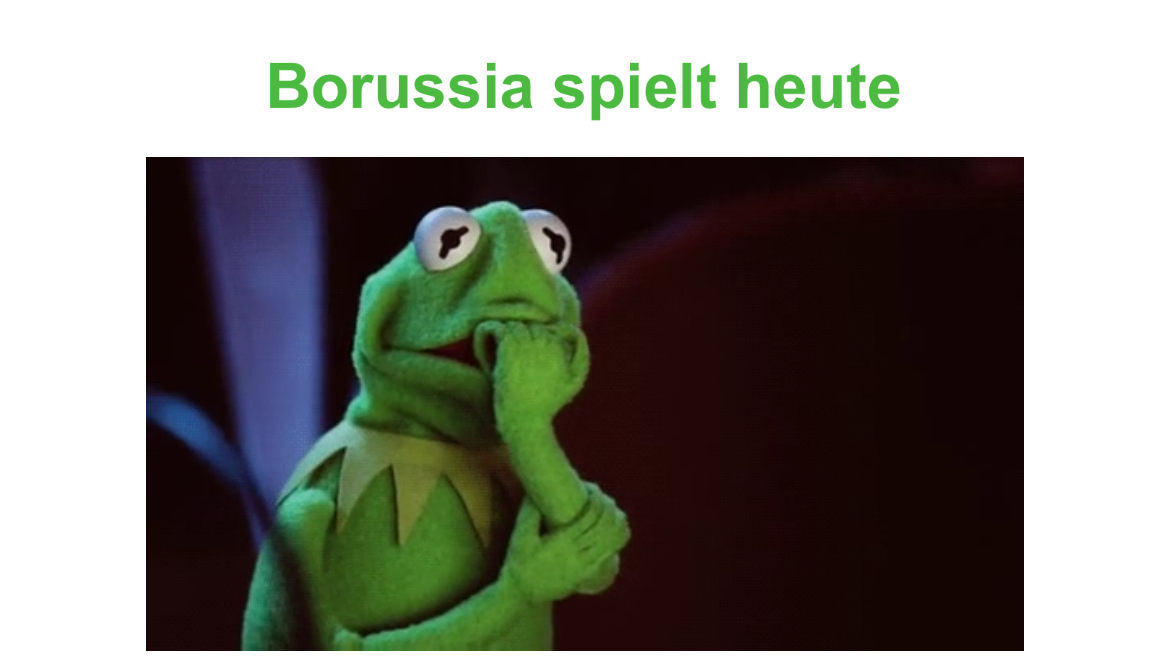
The internet has transformed the way people communicate emotions. In the digital age, feelings are often expressed through images, videos, GIFs, and memes rather than lengthy conversations. Among the countless meme categories that have emerged online, the nervous meme has become one of the most relatable and widely shared formats. Whether it is a sweating cartoon character, an awkward facial expression, or a humorous reaction image, nervous memes perfectly capture moments of anxiety, uncertainty, and social discomfort.
These memes resonate with millions of users because they reflect everyday situations that people encounter in their personal, academic, and professional lives. From waiting for exam results to sending an important text message, nervous memes provide a humorous way to cope with stress and connect with others who share similar experiences.
This article explores the concept of nervous memes, their origins, popularity, cultural significance, psychological impact, and their role in modern internet communication.
What Is a Nervous Meme?
A nervous meme is a type of internet meme designed to express feelings of nervousness, anxiety, tension, embarrassment, or anticipation. These memes often feature characters, celebrities, animals, or fictional figures displaying visible signs of discomfort or stress.
Common visual elements found in nervous memes include:
- Sweating faces
- Awkward smiles
- Wide-open eyes
- Shaking hands
- Tense body language
- Panic expressions
- Uncomfortable silence
The humor of nervous memes comes from exaggerating emotional reactions to everyday situations. Instead of discussing anxiety directly, users share a meme that instantly communicates how they feel.
For example, a meme showing a person nervously sweating while waiting for a reply to a text message can be understood by almost anyone who has experienced the same situation.
The Origins of Nervous Memes
Memes centered on nervousness have existed since the early days of internet culture. Online communities have always enjoyed creating humorous content based on common human emotions.
Some of the earliest nervous memes originated from:
Reaction Images
Reaction images became popular in forums and social media platforms during the early 2000s. Users shared images displaying strong emotions to respond to conversations quickly.
Images showing worried, shocked, or anxious faces naturally evolved into nervous memes.
Rage Comics
Rage comics played a major role in meme culture during the late 2000s. Characters such as Trollface and Forever Alone were often used in scenarios involving social anxiety, awkward situations, and nervous encounters.
These comics introduced relatable stories where characters reacted nervously to everyday problems.
Anime and Cartoon Expressions
Anime characters often display exaggerated emotional reactions. Internet users began using screenshots of nervous anime faces to communicate stress and uncertainty.
These expressive images became widely shared across online communities.
Viral GIF Culture
The rise of GIF-sharing platforms allowed short animated reactions to become popular. Nervous-looking characters, celebrities, and animals became common choices for expressing anxiety in online conversations.
Why Nervous Memes Are So Popular
The popularity of nervous memes can be attributed to several factors.
Relatability
Most people experience nervousness regularly. Whether preparing for an interview, giving a presentation, or meeting someone new, anxiety is a universal emotion.
Nervous memes reflect these experiences in a humorous way, making them highly relatable.
Instant Communication
A single meme can communicate an emotional state more effectively than several sentences.
Instead of explaining:
“I am extremely nervous about tomorrow’s meeting.”
A person can simply send a nervous meme and immediately convey the same feeling.
Humor as a Coping Mechanism
Humor helps people deal with uncomfortable emotions. Nervous memes allow users to laugh at stressful situations rather than becoming overwhelmed by them.
This emotional release contributes significantly to their popularity.
Social Connection
When users share nervous memes, they often receive responses from others who understand and relate to the situation.
This creates a sense of community and emotional support.
Common Types of Nervous Memes
Nervous memes come in many forms. Some of the most popular categories include:
Sweating Memes
These memes feature characters sweating excessively while facing pressure or uncertainty.
Examples include:
- Cartoon characters with sweat drops
- Athletes under pressure
- Celebrities appearing uncomfortable
The sweat symbolizes visible anxiety and nervousness.
Waiting Memes
Waiting creates tension, making it a common theme in nervous memes.
Popular situations include:
- Waiting for exam results
- Waiting for a text reply
- Waiting for job interview feedback
- Waiting for grades
These memes capture the uncomfortable feeling of uncertainty.
Social Anxiety Memes
Many nervous memes focus on social interactions.
Examples include:
- Entering a room full of strangers
- Making a phone call
- Introducing oneself
- Speaking in public
These memes are especially popular among younger internet users.
Relationship Anxiety Memes
Romantic situations often generate nervousness.
Common topics include:
- First dates
- Sending messages to a crush
- Meeting a partner’s family
- Confessing feelings
Such memes combine humor with emotional vulnerability.
Workplace Nervous Memes
Professional environments provide endless meme material.
Examples include:
- Presenting to management
- Sending important emails
- Attending interviews
- Receiving unexpected meeting invitations
Employees frequently share these memes because they reflect common workplace experiences.
Famous Nervous Meme Formats
Several iconic meme formats have become associated with nervousness.
Sweating Jordan Peele
One of the most recognizable nervous memes features comedian Jordan Peele sweating intensely during an interview.
The image is often used to represent extreme discomfort and pressure.
Nervous Monkey Puppet
This meme uses a puppet monkey looking away awkwardly before glancing back nervously.
It is commonly used to represent embarrassment or awkward situations.
Hide the Pain Harold
Although not exclusively a nervous meme, this famous image often symbolizes uncomfortable situations hidden behind a forced smile.
Sweating SpongeBob
Various SpongeBob SquarePants screenshots have become popular nervous memes because of the character’s exaggerated emotional expressions.
Anime Panic Faces
Anime reaction images featuring frightened or anxious characters remain highly popular among meme communities.
Psychological Appeal of Nervous Memes
The success of nervous memes is closely linked to psychology.
Emotional Validation
People often feel reassured when they discover others share similar fears and anxieties.
Nervous memes normalize these feelings by showing that nervousness is a common human experience.
Stress Reduction
Laughter can reduce stress hormones and improve mood.
By turning anxiety into humor, nervous memes help people manage difficult emotions.
Shared Experiences
Humans naturally seek connection through shared experiences.
When users encounter a meme describing their situation perfectly, they feel understood and less isolated.
Self-Reflection
Many nervous memes encourage individuals to recognize and reflect on their emotional reactions.
This awareness can contribute to better emotional understanding.
Nervous Memes and Social Media
Social media platforms have played a major role in spreading nervous memes.
Instagram users frequently share nervous memes through posts, stories, and meme pages.
The platform’s visual nature makes it ideal for meme distribution.
X (Twitter)
Twitter users often post nervous memes during live events, examinations, sports competitions, and major announcements.
These memes help users express real-time reactions.
TikTok
TikTok has expanded nervous meme culture through short videos featuring anxious situations combined with music, captions, and comedy.
Reddit communities regularly create and share original nervous memes based on personal experiences and trending topics.
Many viral nervous memes originate from Reddit discussions.
Facebook groups and pages continue to circulate nervous memes among broad audiences of different age groups.
Nervous Memes in Student Life
Students are among the biggest consumers of nervous memes.
Common situations include:
- Final examinations
- Assignment deadlines
- Scholarship applications
- Presentation days
- College admissions
Students use nervous memes to express academic stress while maintaining a sense of humor.
The widespread sharing of these memes helps students feel less alone during challenging periods.
Nervous Memes in Professional Life
Workplace anxiety is another major source of nervous meme content.
Employees frequently share memes about:
- Job interviews
- Performance reviews
- Salary negotiations
- Unexpected meetings
- Public presentations
These memes provide comic relief in professional environments where stress is common.
The Evolution of Nervous Memes
Nervous memes continue to evolve alongside internet culture.
Several trends have influenced their development:
AI-Generated Memes
Artificial intelligence tools now help users create customized nervous memes based on specific situations.
This increases creativity and personalization.
Video-Based Memes
Short-form video platforms have expanded nervous memes beyond static images.
Animated reactions often create stronger emotional impact.
Cross-Cultural Adaptation
Nervous memes are now shared globally.
Different cultures adapt meme formats to local languages, humor styles, and social situations while maintaining universal themes of anxiety and uncertainty.
Interactive Meme Trends
Modern meme formats often encourage participation, allowing users to add their own captions and experiences.
This keeps nervous memes fresh and engaging.
Potential Downsides of Nervous Memes
Although generally harmless, nervous memes can have some limitations.
Oversimplification of Anxiety
Memes are designed for humor and may oversimplify serious mental health conditions.
Clinical anxiety disorders require proper understanding and support beyond internet jokes.
Excessive Self-Deprecation
Some meme communities rely heavily on self-deprecating humor.
Constantly joking about anxiety may occasionally discourage individuals from addressing deeper emotional concerns.
Misinterpretation
Humor is subjective.
A meme intended as lighthearted may be interpreted differently depending on the audience.
Despite these concerns, most nervous memes remain positive forms of emotional expression.
The Future of Nervous Memes
As digital communication continues to evolve, nervous memes are likely to remain a significant part of online culture.
Future developments may include:
- More personalized meme creation tools
- AI-generated reaction content
- Augmented reality meme experiences
- Interactive social media formats
- Enhanced emotional expression through multimedia content
Since nervousness is a universal human experience, memes that represent it will likely continue to resonate with future generations.
Conclusion
Nervous memes have become one of the most relatable and enduring forms of internet humor. By transforming anxiety, uncertainty, and social discomfort into entertaining content, these memes help people communicate emotions quickly and effectively. Their popularity stems from their relatability, humor, and ability to foster social connection.
From students awaiting exam results to professionals facing important meetings, nervous memes capture moments that nearly everyone experiences. They remind us that nervousness is a normal part of life and that laughter can be a powerful tool for coping with stress.
As internet culture continues to evolve, nervous memes will undoubtedly adapt to new platforms, technologies, and trends. However, their core appeal will remain the same: helping people laugh at life’s most anxious moments while realizing they are not alone in feeling nervous.
