


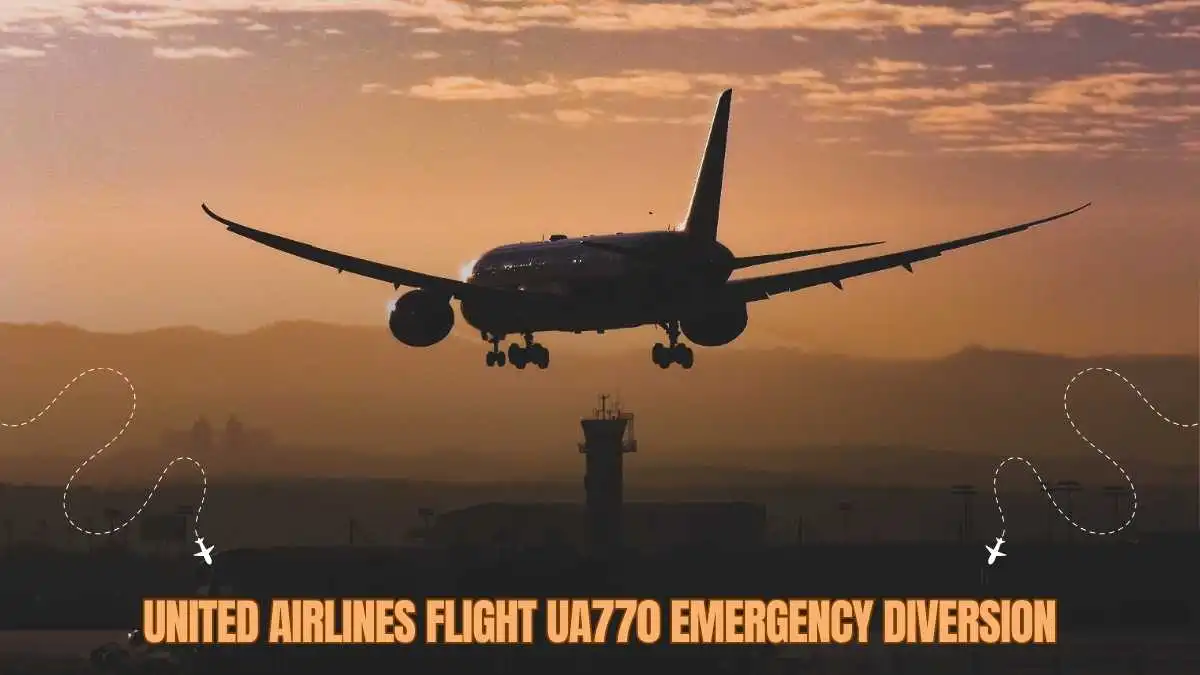
Air travel is widely regarded as one of the safest forms of transportation in the world. Every day, thousands of commercial flights carry millions of passengers across continents with remarkable efficiency and reliability. However, despite advanced technology, rigorous maintenance procedures, and highly trained flight crews, unexpected situations can still occur during a flight. When these situations arise, airlines must prioritize passenger safety above all else.
One such incident that attracted attention was the emergency diversion of United Airlines Flight UA770. The event sparked discussions among travelers, aviation enthusiasts, and industry experts regarding flight safety procedures, emergency response protocols, and the reasons why aircraft sometimes need to divert from their planned routes.
This article explores the details surrounding the United Airlines Flight UA770 emergency diversion, explains how emergency diversions work, discusses common causes, and highlights the safety measures that protect passengers during such incidents.
Understanding United Airlines Flight UA770
United Airlines Flight UA770 is a regularly scheduled commercial flight operated by United Airlines, one of the largest airlines in the United States. Like thousands of flights that operate daily, UA770 follows a planned route determined by airline operations, air traffic control requirements, weather conditions, and airport availability.
During the reported incident, the flight was forced to make an emergency diversion rather than continue to its original destination. Emergency diversions are relatively uncommon but are considered a standard safety procedure within the aviation industry whenever circumstances require immediate action.
Although emergency diversions may seem alarming to passengers, they are often precautionary measures designed to ensure the safety of everyone on board.
What Is an Emergency Diversion?
An emergency diversion occurs when an aircraft changes its planned route and lands at an alternate airport due to unforeseen circumstances.
Pilots may decide to divert for various reasons, including:
- Medical emergencies involving passengers or crew
- Mechanical or technical issues
- Severe weather conditions
- Cabin pressurization problems
- Security concerns
- Smoke or unusual odors in the cabin
- Operational challenges at the destination airport
When a diversion occurs, the flight crew works closely with air traffic control and airline operations personnel to determine the safest and most appropriate airport for landing.
Timeline of the UA770 Incident
While exact details can vary depending on reports and official statements, the general sequence of events during an emergency diversion typically follows a structured process.
Normal Flight Operations
The flight departs as scheduled and proceeds along its planned route. All systems initially operate normally, and passengers experience a routine journey.
Detection of an Issue
At some point during the flight, the crew becomes aware of a situation requiring immediate evaluation. This could involve a technical warning, medical emergency, or operational concern.
Modern aircraft contain sophisticated monitoring systems that continuously assess the health of critical components. These systems alert pilots if any abnormal conditions arise.
Crew Assessment
Once an issue is identified, pilots consult onboard procedures and communicate with airline operations centers. Depending on the severity of the situation, they may determine that continuing to the destination is not the safest option.
Decision to Divert
The captain then decides to divert the aircraft to a suitable airport. Factors considered include:
- Distance to the nearest airport
- Weather conditions
- Runway length
- Emergency response capabilities
- Aircraft type requirements
Safe Landing
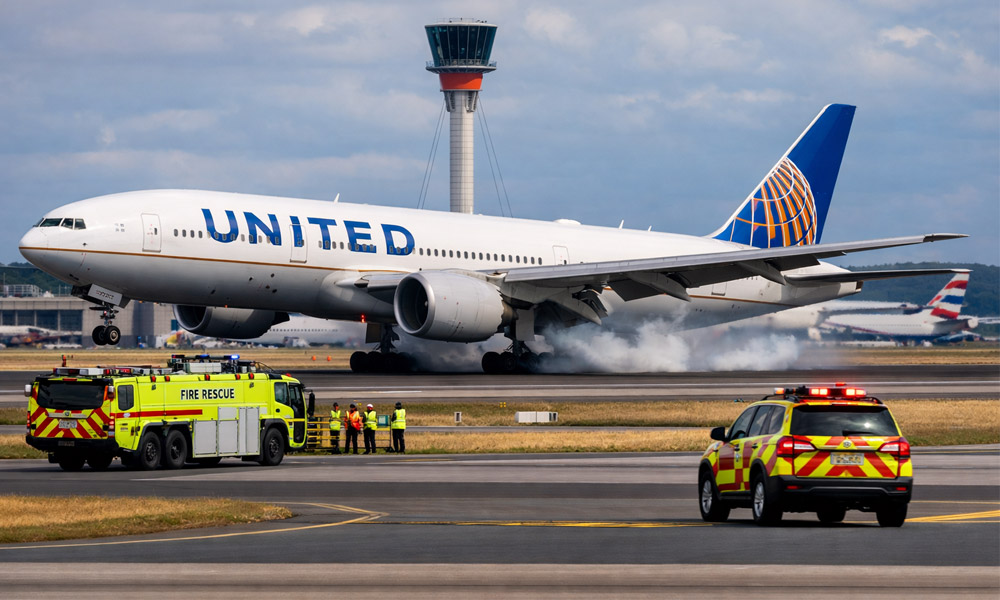
The aircraft lands safely at the alternate airport, where emergency personnel, maintenance teams, or medical responders may be waiting.
Passengers are then assisted with onward travel arrangements.
Possible Reasons Behind the Emergency Diversion
1. Mechanical Precaution
One of the most common reasons for emergency diversions is a technical issue.
Aircraft are equipped with multiple backup systems designed to maintain safe operation even if a component malfunctions. In many cases, a diversion occurs not because the aircraft is in immediate danger, but because regulations require pilots to land and inspect the aircraft.
Examples include:
- Hydraulic system warnings
- Electrical faults
- Engine performance irregularities
- Sensor malfunctions
Pilots are trained to treat any significant warning seriously.
2. Medical Emergency
Medical emergencies are another leading cause of flight diversions.
Passengers may experience:
- Heart attacks
- Strokes
- Respiratory distress
- Severe allergic reactions
- Diabetic complications
Cabin crews receive extensive medical training and can use onboard emergency equipment, including automated external defibrillators (AEDs).
If a passenger’s condition requires urgent hospital treatment, pilots may divert to the nearest suitable airport.
3. Cabin Safety Concerns
Any indication of smoke, unusual odors, or cabin pressure issues is treated as a high-priority safety matter.
Examples include:
- Electrical burning smells
- Smoke detection alerts
- Pressurization abnormalities
Even when the cause turns out to be minor, airline procedures require immediate investigation.
4. Weather Conditions
Weather remains one of aviation’s greatest operational challenges.
Potential weather-related reasons for diversion include:
- Thunderstorms
- Tornado activity
- Heavy snowfall
- Dense fog
- Wind shear
- Severe turbulence
Airlines constantly monitor weather systems and may alter flight plans when necessary.
5. Security Concerns
Although rare, security threats can also lead to diversions.
Examples include:
- Unruly passengers
- Suspicious behavior
- Potential security alerts
- Threatening communications
In such situations, authorities coordinate with airline personnel and airport security teams.
How Pilots Handle Emergency Situations
Commercial airline pilots undergo extensive training to prepare for emergencies.
Training includes:
Simulator Exercises
Pilots regularly practice emergency scenarios in advanced flight simulators.
These simulations cover:
- Engine failures
- System malfunctions
- Fire warnings
- Emergency descents
- Diversions
The training ensures crews can respond effectively under pressure.
Standard Operating Procedures
Airlines establish detailed procedures for every potential emergency.
Pilots follow structured checklists that guide decision-making and reduce the risk of human error.
These procedures are continually updated based on industry experience and safety research.
Crew Resource Management
Crew Resource Management (CRM) emphasizes teamwork and communication.
Pilots, flight attendants, dispatchers, and air traffic controllers work together to manage unexpected situations safely and efficiently.
CRM has become one of the most important safety innovations in modern aviation.
Passenger Experience During a Diversion
For passengers, an emergency diversion can be stressful and confusing.
However, understanding what happens can help reduce anxiety.
Communication from the Flight Crew
Pilots typically inform passengers about:
- The nature of the issue
- The diversion decision
- Expected landing time
- Safety instructions
Airlines strive to provide accurate information while avoiding unnecessary alarm.
Cabin Crew Assistance
Flight attendants play a critical role during diversions.
Their responsibilities include:
- Keeping passengers informed
- Enforcing safety procedures
- Assisting individuals with special needs
- Managing medical situations
- Maintaining calm within the cabin
Their training prepares them to handle a wide variety of scenarios.
After Landing
Once the aircraft lands, passengers may experience:
- Delays
- Aircraft inspections
- Rebooking arrangements
- Alternate transportation options
- Hotel accommodations if necessary
Airlines generally work to minimize disruptions while ensuring safety requirements are met.
The Role of Air Traffic Control
Air traffic controllers are essential during emergency diversions.
When a pilot declares an emergency or requests priority handling, controllers assist by:
- Clearing airspace
- Providing direct routing
- Coordinating emergency services
- Managing airport traffic
This support helps ensure a smooth and efficient landing process.
Why Emergency Diversions Demonstrate Aviation Safety
Many travelers assume that an emergency diversion indicates a dangerous situation.
In reality, diversions often demonstrate the effectiveness of aviation safety systems.
Modern aviation follows a philosophy known as “safety first.”
This means:
- Problems are identified early.
- Risks are addressed immediately.
- Precautionary actions are encouraged.
- Multiple layers of protection exist.
The decision to divert is frequently a sign that safety systems are working exactly as intended.
Aircraft Safety Features That Help Prevent Accidents
Today’s commercial aircraft incorporate numerous safety technologies.
Redundant Systems
Critical components often have backups.
Examples include:
- Multiple hydraulic systems
- Duplicate navigation equipment
- Backup electrical power sources
This redundancy allows aircraft to continue operating safely even if a component fails.
Advanced Monitoring Systems
Aircraft continuously monitor:
- Engine performance
- Fuel systems
- Electrical systems
- Flight controls
Pilots receive immediate alerts when abnormalities occur.
Enhanced Weather Radar
Modern weather radar systems help crews avoid dangerous weather conditions.
These systems provide real-time information about:
- Storm intensity
- Turbulence
- Rainfall
- Wind patterns
Satellite Communication
Aircraft maintain communication through advanced satellite systems.
These technologies improve coordination between:
- Pilots
- Airlines
- Maintenance teams
- Air traffic control
United Airlines and Safety Standards
United Airlines operates one of the world’s largest airline networks and adheres to strict safety regulations established by aviation authorities.
The airline invests heavily in:
- Pilot training
- Aircraft maintenance
- Safety management systems
- Operational oversight
- Technology upgrades
Like all major airlines, United follows comprehensive procedures whenever unexpected situations arise.
Safety decisions are guided by established protocols rather than convenience or scheduling concerns.
Lessons Learned from Flight Diversions
Incidents such as the UA770 emergency diversion offer valuable lessons for both airlines and passengers.
Importance of Preparedness
Emergency preparedness is critical in aviation.
Regular training and drills ensure that crews remain ready to respond effectively.
Value of Preventive Action
Taking action before a problem escalates significantly reduces risk.
Diversions often represent preventive decision-making rather than reactions to imminent danger.
Passenger Awareness
Travelers benefit from understanding that diversions are part of aviation’s safety framework.
While inconvenient, they are often the safest course of action.
How Passengers Should Respond During an Emergency Diversion
Passengers can contribute to safety by following several simple guidelines.
Remain Calm
Panic can create unnecessary stress and confusion.
Most diversions are precautionary and result in safe outcomes.
Follow Crew Instructions
Flight attendants and pilots provide guidance based on established safety procedures.
Passengers should comply promptly with all instructions.
Keep Seat Belts Fastened
Even during normal flight operations, wearing a seat belt while seated enhances safety.
Avoid Spreading Rumors
Information should come from official crew announcements rather than speculation among passengers.
The Broader Significance of the UA770 Incident
The emergency diversion involving United Airlines Flight UA770 serves as a reminder of the aviation industry’s commitment to safety.
Commercial aviation relies on multiple layers of protection, including:
- Highly trained crews
- Advanced aircraft technology
- Air traffic control coordination
- Rigorous maintenance standards
- Comprehensive emergency procedures
When a diversion occurs, it reflects a system designed to prioritize safety above all else.
Conclusion
The United Airlines Flight UA770 emergency diversion highlights how modern aviation handles unexpected situations with professionalism, preparation, and a strong commitment to passenger safety. Whether the diversion was prompted by a technical issue, medical emergency, weather concern, or another operational factor, the flight crew’s decision to divert demonstrates the effectiveness of established aviation safety protocols.
Emergency diversions can be inconvenient and sometimes concerning for passengers, but they are an essential part of the industry’s safety culture. Pilots, cabin crews, maintenance teams, and air traffic controllers work together to ensure that any potential risk is addressed promptly and responsibly.
Ultimately, incidents like the UA770 diversion reinforce an important truth about air travel: the aviation industry’s willingness to take precautionary action is one of the key reasons commercial flying remains one of the safest modes of transportation in the world.
